
The data annotation industry stands at a fascinating crossroads. As artificial intelligence continues its rapid evolution, the demand for high-quality labeled data has never been higher, yet the methods and requirements for annotation work are transforming at an unprecedented pace.
We already discussed in previous articles how important annotation is in AI and Machine Learning, because it provides the labeled data necessary for models to learn, understand, and make accurate predictions from real-world information.
AI is a rapidly evolving field, and annotation remains vital as it continuously adapts to keep up with the emerging trends and provide the diverse, high-quality labeled data that fuels the accelerated development and sophistication of new models, from generative AI to advanced computer vision.
Whether you’re just starting your journey as a data annotator or you’re a seasoned professional looking to stay ahead of the curve, understanding these emerging trends isn’t just beneficial—it’s essential for long-term success in this dynamic field.
The Current Landscape: A Foundation for What’s Next
Before diving into future trends, it’s crucial to understand where we stand today. The global data annotation market has experienced explosive growth, driven by the AI boom across industries from healthcare to autonomous vehicles. Traditional annotation tasks—image labeling, text classification, and audio transcription—have formed the backbone of this industry. However, the landscape is shifting rapidly, and those who adapt will thrive while others may find themselves left behind.
The annotation work of tomorrow will be more sophisticated, more specialized, and paradoxically, more collaborative with AI systems than ever before. This evolution presents both challenges and tremendous opportunities for annotators willing to embrace change.
Trend 1: The Rise of Human-AI Collaborative Annotation
Perhaps the most significant trend reshaping data annotation is the emergence of human-AI collaborative workflows. Rather than replacing human annotators, AI systems are increasingly working alongside them to enhance efficiency and accuracy. This symbiotic relationship is fundamentally changing how annotation work is performed.
Pre-labeling systems powered by machine learning models now provide initial annotations that human annotators refine and correct. This approach can reduce annotation time by 60-80% while maintaining or even improving quality. Advanced platforms use active learning algorithms to identify the most valuable data points for human review, ensuring that annotators focus their expertise where it matters most.
The implications for annotators are profound. Success in this new paradigm requires developing skills in AI-assisted workflows, understanding when to trust automated suggestions, and knowing how to efficiently correct machine-generated labels. Annotators who master these hybrid approaches will become invaluable assets to organizations seeking to scale their data operations.
Trend 2: Specialization in Complex, Domain-Specific Tasks
As AI systems become more sophisticated at handling basic annotation tasks, the demand for specialized, domain-specific expertise is surging. Medical image annotation, legal document analysis, and scientific data labeling require deep subject matter knowledge that general-purpose AI cannot yet match.
This trend is creating lucrative opportunities for annotators with specialized backgrounds. A radiologist who can annotate medical imaging data, a lawyer who can label legal documents, or a biologist who can classify scientific specimens can command premium rates and enjoy stable, long-term employment prospects.
The key to capitalizing on this trend is identifying your unique expertise and positioning yourself within a specific niche. Even if you don’t have formal credentials in a particular field, developing demonstrable knowledge through coursework, certification programs, or hands-on experience can open doors to higher-paying specialized roles.
Trend 3: Integration with Synthetic Data and Generative AI
Synthetic data, generated by tools like GANs or diffusion models, is increasingly used to augment real datasets. Annotators are tasked with validating or refining labels for synthetic data, which is often used to address data scarcity or bias.
Synthetic data reduces reliance on costly real-world data collection, but it requires human validation to ensure quality. Annotators who can work with synthetic data will play a key role in scalable AI development.
Tips to get ready:
- Understand Synthetic Data: Learn about generative AI tools (e.g., Stable Diffusion, Blender) and how they create synthetic images or text. Free tutorials are available on YouTube or Hugging Face.
- Practice Validation: Use datasets like SynthCity to practice validating synthetic data annotations in Label Studio or similar tools.
- Collaborate with Data Scientists: Learn to communicate with teams generating synthetic data to provide feedback on quality and labeling needs.
Annotators who can validate and refine synthetic data will be essential for projects aiming to scale datasets efficiently while maintaining accuracy.
Trend 4: Real-Time and Streaming Data Annotation
The rise of real-time AI applications is creating demand for annotation of streaming data. Unlike traditional batch processing, these applications require annotators to work with continuous data streams, often under tight time constraints. This trend is particularly prominent in areas like social media monitoring, financial trading systems, and autonomous vehicle development.
Real-time annotation requires different skills than traditional batch processing. Annotators must be able to make quick, accurate decisions while maintaining consistent quality standards. They need to understand the downstream impact of their work on live systems and be comfortable working in high-pressure environments where their annotations directly influence active AI systems.
This emerging field offers exciting opportunities for annotators who can adapt to faster-paced workflows while maintaining accuracy. The compensation for real-time annotation work is often significantly higher than traditional batch processing, reflecting the specialized skills and pressure involved.
Trend 5: Multimodal Annotation Becomes the Standard
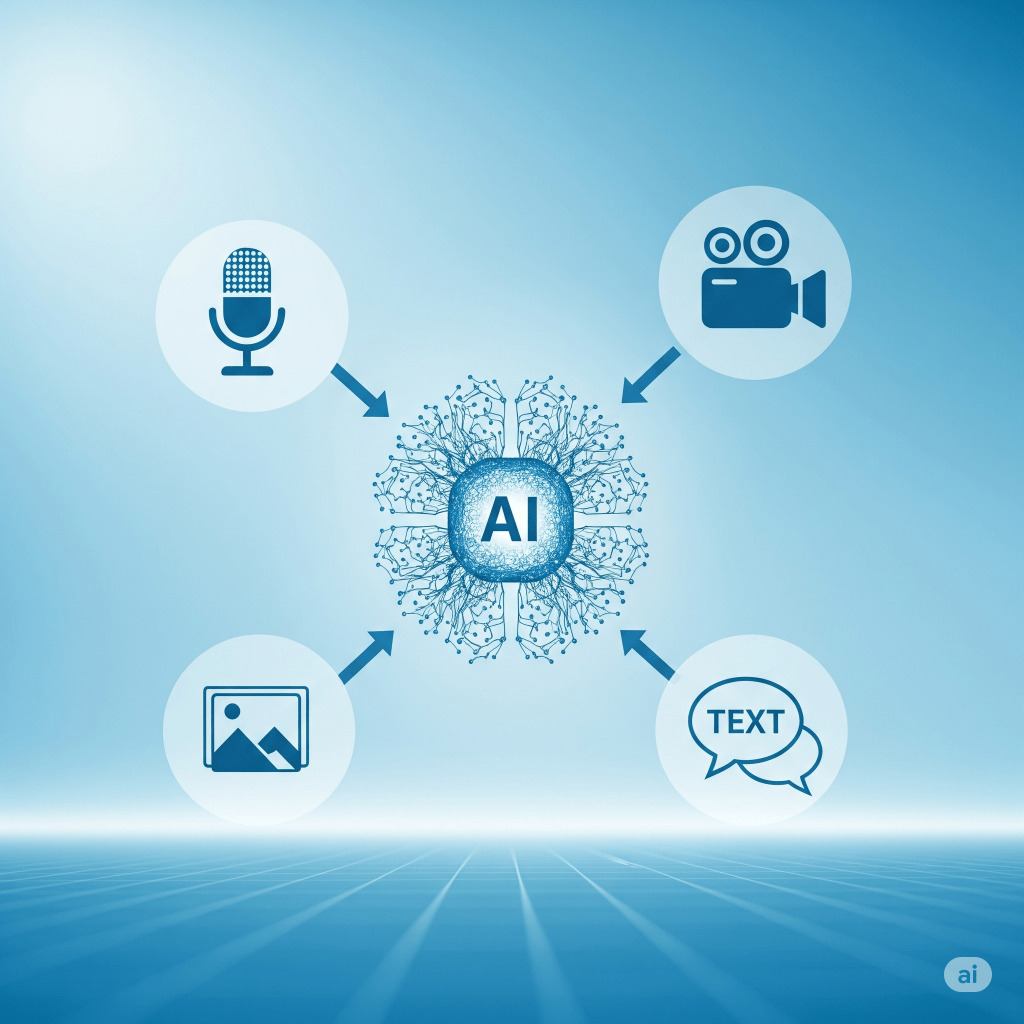
The future of AI is multimodal, combining text, images, audio, and video in sophisticated ways. This evolution is driving demand for annotators who can work across multiple data types simultaneously. Rather than specializing in a single modality, the most successful annotators of the future will be those who can seamlessly navigate between different types of data.
Multimodal annotation tasks might involve labeling objects in images while also annotating the corresponding text descriptions, or synchronizing audio transcripts with video timestamps while identifying speakers and emotions. These complex tasks require a broader skill set and deeper understanding of how different data types interact.
Developing multimodal capabilities requires deliberate practice and often additional training. However, annotators who invest in these skills will find themselves uniquely positioned to handle the most challenging and well-compensated annotation projects.
Trend 6: Ethical AI and Bias Mitigation
As AI systems become more prevalent in critical applications, the focus on ethical AI and bias mitigation is intensifying. This trend is creating new roles for annotators who specialize in identifying and correcting biases in training data. These professionals need to understand not just how to label data accurately, but also how to recognize when datasets may perpetuate harmful biases or fail to represent diverse populations adequately.
Bias-aware annotation requires cultural sensitivity, understanding of social dynamics, and knowledge of how different groups might be affected by AI systems. Annotators working in this area often collaborate with ethicists, social scientists, and community representatives to ensure that datasets are fair and inclusive.
This emerging field offers opportunities for annotators who are passionate about social justice and want to contribute to more equitable AI systems. The work is both intellectually challenging and socially meaningful, making it attractive to professionals seeking purpose-driven careers.
Strategies for Success in the Evolving Annotation Landscape
Embrace Continuous Learning
The rapid pace of change in data annotation means that continuous learning isn’t optional—it’s essential. Successful annotators invest regularly in updating their skills, learning new tools, and staying current with industry developments. This might involve taking online courses, attending industry conferences, or participating in professional development programs offered by annotation platforms.
Create a personal learning plan that includes both technical skills and domain knowledge. Set aside time each week for skill development, and don’t hesitate to experiment with new tools and techniques. The annotation professionals who thrive are those who view learning as an ongoing process rather than a one-time event.
Build a Diverse Skill Portfolio
Rather than focusing exclusively on a single type of annotation, develop competencies across multiple areas. This diversification provides flexibility and makes you more valuable to potential employers. Consider building expertise in both high-volume, efficiency-focused tasks and specialized, high-value annotation work.Your portfolio might include proficiency in standard image labeling, experience with specialized medical annotation, familiarity with multimodal tasks, and knowledge of quality assurance processes. This breadth of skills makes you adaptable to changing market demands and positions you for a wider range of opportunities.
Develop Technical Literacy
Understanding the technical context of your annotation work is becoming increasingly important. While you don’t need to become a machine learning expert, having a basic understanding of how AI models use annotated data can make you more effective and valuable.
Learn about common machine learning concepts, understand how different types of annotations affect model performance, and familiarize yourself with the tools and platforms used in AI development. This knowledge will help you make better annotation decisions and communicate more effectively with technical teams.
Cultivate Soft Skills
As annotation work becomes more collaborative and quality-focused, soft skills are becoming increasingly valuable. Communication skills help you work effectively with team members and provide useful feedback to improve processes. Attention to detail and consistency are crucial for maintaining high quality standards. Time management and organization enable you to handle complex projects efficiently.Don’t overlook the importance of adaptability and problem-solving skills. The annotation industry is constantly evolving, and professionals who can quickly adapt to new requirements and find creative solutions to challenges will have significant advantages.
Network and Build Professional Relationships
The annotation community is growing rapidly, but it’s still relatively small and interconnected. Building relationships with other professionals in the field can provide valuable insights into industry trends, job opportunities, and best practices. Participate in online forums, attend virtual meetups, and engage with annotation platforms’ community features.
Consider mentoring newcomers to the field while also seeking mentorship from more experienced professionals. These relationships can provide valuable learning opportunities and help you stay connected to industry developments.
Staying Ahead of the Trends
Monitor Industry Publications and Resources
Stay informed about industry developments by following relevant publications, blogs, and research papers. Key resources include AI research journals, industry reports from companies like McKinsey and Gartner, and specialized blogs focused on machine learning and data science.
Set up Google Alerts for keywords related to data annotation, AI training data, and machine learning datasets. This automated approach ensures you don’t miss important developments even when you’re busy with annotation work.
Engage with Annotation Platforms and Communities
Most major annotation platforms regularly publish insights about industry trends and best practices. Follow these platforms on social media, subscribe to their newsletters, and participate in their webinars and training sessions. These resources often provide early insights into emerging trends and new annotation techniques.Join professional communities or specialized groups on LinkedIn and Reddit. These communities are excellent sources of peer insights and practical advice from experienced annotators.
Experiment with New Tools and Technologies
Don’t wait for formal training to explore new annotation tools and technologies. Many platforms offer free trials or demo versions that allow you to experiment with new features and capabilities. This hands-on experience can give you a competitive advantage when these tools become mainstream.
Consider setting up personal projects to test new annotation techniques or tools. This experimentation can help you identify emerging trends early and develop expertise before they become widely adopted.
Invest in Relevant Certifications and Training
While not always necessary, relevant certifications can demonstrate your commitment to professional development and validate your skills to potential employers. Look for certifications in areas like machine learning, specific annotation tools, or domain-specific knowledge relevant to your specialization.
Many universities and online platforms now offer courses specifically focused on data annotation and AI training data. These programs can provide structured learning opportunities and help you build connections with other professionals in the field.
The Long-Term Outlook: Preparing for Tomorrow’s Annotation Landscape
The future of data annotation is bright, but it will look significantly different from today’s industry. Successful annotators will be those who embrace change, continuously develop their skills, and position themselves as valuable partners in the AI development process rather than simply data processors.
The most successful annotation professionals of the future will likely be those who can seamlessly blend human expertise with AI capabilities, work effectively across multiple data modalities, and contribute to the ethical development of AI systems. They’ll be skilled communicators who can work effectively in diverse teams and adapt quickly to new requirements and technologies.
As the industry continues to evolve, remember that your value as an annotator lies not just in your ability to label data accurately, but in your capacity to understand context, apply judgment, and contribute to the broader goals of AI development. By staying informed about trends, continuously developing your skills, and positioning yourself as a strategic partner in the AI development process, you can build a rewarding and sustainable career in this exciting field.
The future of data annotation is full of opportunities for those ready to embrace change and growth. Whether you’re just starting your annotation journey or looking to advance your existing career, now is the time to invest in the skills and knowledge that will define success in tomorrow’s annotation landscape.
Share your thoughts in the comments below!




 Data Annotation Hub