
Tag: Generative AI

  • The Future of Data Annotation: 6 Trends to Watch

    The Future of Data Annotation: 6 Trends to Watch

    9–14 minutes

    The data annotation industry stands at a fascinating crossroads. As artificial intelligence continues its rapid evolution, the demand for high-quality labeled data has never been higher, yet the methods and requirements for annotation work are transforming at an unprecedented pace.
    We already discussed in previous articles how important annotation is in AI and Machine Learning, because it provides the labeled data necessary for models to learn, understand, and make accurate predictions from real-world information.
    AI is a rapidly evolving field, and annotation remains vital as it continuously adapts to keep up with the emerging trends and provide the diverse, high-quality labeled data that fuels the accelerated development and sophistication of new models, from generative AI to advanced computer vision.
    Whether you’re just starting your journey as a data annotator or you’re a seasoned professional looking to stay ahead of the curve, understanding these emerging trends isn’t just beneficial—it’s essential for long-term success in this dynamic field.

    The Current Landscape: A Foundation for What’s Next

    Before diving into future trends, it’s crucial to understand where we stand today. The global data annotation market has experienced explosive growth, driven by the AI boom across industries from healthcare to autonomous vehicles. Traditional annotation tasks—image labeling, text classification, and audio transcription—have formed the backbone of this industry. However, the landscape is shifting rapidly, and those who adapt will thrive while others may find themselves left behind.
    The annotation work of tomorrow will be more sophisticated, more specialized, and paradoxically, more collaborative with AI systems than ever before. This evolution presents both challenges and tremendous opportunities for annotators willing to embrace change.

    Trend 1: The Rise of Human-AI Collaborative Annotation

    Perhaps the most significant trend reshaping data annotation is the emergence of human-AI collaborative workflows. Rather than replacing human annotators, AI systems are increasingly working alongside them to enhance efficiency and accuracy. This symbiotic relationship is fundamentally changing how annotation work is performed.
    Pre-labeling systems powered by machine learning models now provide initial annotations that human annotators refine and correct. This approach can reduce annotation time by 60-80% while maintaining or even improving quality. Advanced platforms use active learning algorithms to identify the most valuable data points for human review, ensuring that annotators focus their expertise where it matters most.
    The implications for annotators are profound. Success in this new paradigm requires developing skills in AI-assisted workflows, understanding when to trust automated suggestions, and knowing how to efficiently correct machine-generated labels. Annotators who master these hybrid approaches will become invaluable assets to organizations seeking to scale their data operations.

    Trend 2: Specialization in Complex, Domain-Specific Tasks

    As AI systems become more sophisticated at handling basic annotation tasks, the demand for specialized, domain-specific expertise is surging. Medical image annotation, legal document analysis, and scientific data labeling require deep subject matter knowledge that general-purpose AI cannot yet match.
    This trend is creating lucrative opportunities for annotators with specialized backgrounds. A radiologist who can annotate medical imaging data, a lawyer who can label legal documents, or a biologist who can classify scientific specimens can command premium rates and enjoy stable, long-term employment prospects.
    The key to capitalizing on this trend is identifying your unique expertise and positioning yourself within a specific niche. Even if you don’t have formal credentials in a particular field, developing demonstrable knowledge through coursework, certification programs, or hands-on experience can open doors to higher-paying specialized roles.

    Trend 3: Integration with Synthetic Data and Generative AI

    Synthetic data, generated by tools like GANs or diffusion models, is increasingly used to augment real datasets. Annotators are tasked with validating or refining labels for synthetic data, which is often used to address data scarcity or bias.

    Synthetic data reduces reliance on costly real-world data collection, but it requires human validation to ensure quality. Annotators who can work with synthetic data will play a key role in scalable AI development.

    Tips to get ready:

    • Understand Synthetic Data: Learn about generative AI tools (e.g., Stable Diffusion, Blender) and how they create synthetic images or text. Free tutorials are available on YouTube or Hugging Face.
    • Practice Validation: Use datasets like SynthCity to practice validating synthetic data annotations in Label Studio or similar tools.
    • Collaborate with Data Scientists: Learn to communicate with teams generating synthetic data to provide feedback on quality and labeling needs.

    Annotators who can validate and refine synthetic data will be essential for projects aiming to scale datasets efficiently while maintaining accuracy.

    Trend 4: Real-Time and Streaming Data Annotation

    The rise of real-time AI applications is creating demand for annotation of streaming data. Unlike traditional batch processing, these applications require annotators to work with continuous data streams, often under tight time constraints. This trend is particularly prominent in areas like social media monitoring, financial trading systems, and autonomous vehicle development.
    Real-time annotation requires different skills than traditional batch processing. Annotators must be able to make quick, accurate decisions while maintaining consistent quality standards. They need to understand the downstream impact of their work on live systems and be comfortable working in high-pressure environments where their annotations directly influence active AI systems.
    This emerging field offers exciting opportunities for annotators who can adapt to faster-paced workflows while maintaining accuracy. The compensation for real-time annotation work is often significantly higher than traditional batch processing, reflecting the specialized skills and pressure involved.

    Trend 5: Multimodal Annotation Becomes the Standard

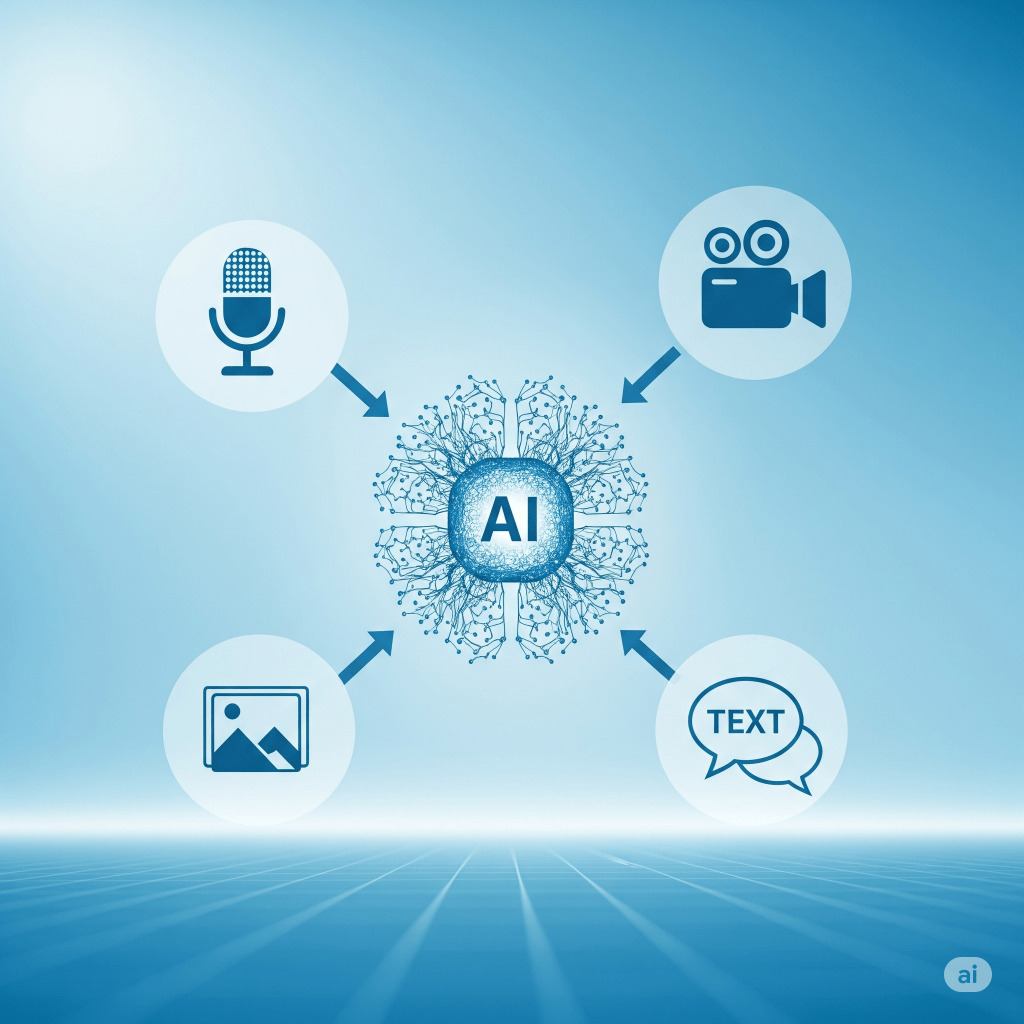
    The future of AI is multimodal, combining text, images, audio, and video in sophisticated ways. This evolution is driving demand for annotators who can work across multiple data types simultaneously. Rather than specializing in a single modality, the most successful annotators of the future will be those who can seamlessly navigate between different types of data.
    Multimodal annotation tasks might involve labeling objects in images while also annotating the corresponding text descriptions, or synchronizing audio transcripts with video timestamps while identifying speakers and emotions. These complex tasks require a broader skill set and deeper understanding of how different data types interact.
    Developing multimodal capabilities requires deliberate practice and often additional training. However, annotators who invest in these skills will find themselves uniquely positioned to handle the most challenging and well-compensated annotation projects.

    Trend 6: Ethical AI and Bias Mitigation

    As AI systems become more prevalent in critical applications, the focus on ethical AI and bias mitigation is intensifying. This trend is creating new roles for annotators who specialize in identifying and correcting biases in training data. These professionals need to understand not just how to label data accurately, but also how to recognize when datasets may perpetuate harmful biases or fail to represent diverse populations adequately.
    Bias-aware annotation requires cultural sensitivity, understanding of social dynamics, and knowledge of how different groups might be affected by AI systems. Annotators working in this area often collaborate with ethicists, social scientists, and community representatives to ensure that datasets are fair and inclusive.
    This emerging field offers opportunities for annotators who are passionate about social justice and want to contribute to more equitable AI systems. The work is both intellectually challenging and socially meaningful, making it attractive to professionals seeking purpose-driven careers.

    Strategies for Success in the Evolving Annotation Landscape

    Embrace Continuous Learning

    The rapid pace of change in data annotation means that continuous learning isn’t optional—it’s essential. Successful annotators invest regularly in updating their skills, learning new tools, and staying current with industry developments. This might involve taking online courses, attending industry conferences, or participating in professional development programs offered by annotation platforms.
    Create a personal learning plan that includes both technical skills and domain knowledge. Set aside time each week for skill development, and don’t hesitate to experiment with new tools and techniques. The annotation professionals who thrive are those who view learning as an ongoing process rather than a one-time event.

    Build a Diverse Skill Portfolio

    Rather than focusing exclusively on a single type of annotation, develop competencies across multiple areas. This diversification provides flexibility and makes you more valuable to potential employers. Consider building expertise in both high-volume, efficiency-focused tasks and specialized, high-value annotation work.Your portfolio might include proficiency in standard image labeling, experience with specialized medical annotation, familiarity with multimodal tasks, and knowledge of quality assurance processes. This breadth of skills makes you adaptable to changing market demands and positions you for a wider range of opportunities.

    Develop Technical Literacy

    Understanding the technical context of your annotation work is becoming increasingly important. While you don’t need to become a machine learning expert, having a basic understanding of how AI models use annotated data can make you more effective and valuable.
    Learn about common machine learning concepts, understand how different types of annotations affect model performance, and familiarize yourself with the tools and platforms used in AI development. This knowledge will help you make better annotation decisions and communicate more effectively with technical teams.

    Cultivate Soft Skills

    As annotation work becomes more collaborative and quality-focused, soft skills are becoming increasingly valuable. Communication skills help you work effectively with team members and provide useful feedback to improve processes. Attention to detail and consistency are crucial for maintaining high quality standards. Time management and organization enable you to handle complex projects efficiently.Don’t overlook the importance of adaptability and problem-solving skills. The annotation industry is constantly evolving, and professionals who can quickly adapt to new requirements and find creative solutions to challenges will have significant advantages.

    Network and Build Professional Relationships

    The annotation community is growing rapidly, but it’s still relatively small and interconnected. Building relationships with other professionals in the field can provide valuable insights into industry trends, job opportunities, and best practices. Participate in online forums, attend virtual meetups, and engage with annotation platforms’ community features.
    Consider mentoring newcomers to the field while also seeking mentorship from more experienced professionals. These relationships can provide valuable learning opportunities and help you stay connected to industry developments.

    Staying Ahead of the Trends

    Monitor Industry Publications and Resources

    Stay informed about industry developments by following relevant publications, blogs, and research papers. Key resources include AI research journals, industry reports from companies like McKinsey and Gartner, and specialized blogs focused on machine learning and data science.
    Set up Google Alerts for keywords related to data annotation, AI training data, and machine learning datasets. This automated approach ensures you don’t miss important developments even when you’re busy with annotation work.

    Engage with Annotation Platforms and Communities

    Most major annotation platforms regularly publish insights about industry trends and best practices. Follow these platforms on social media, subscribe to their newsletters, and participate in their webinars and training sessions. These resources often provide early insights into emerging trends and new annotation techniques.Join professional communities or specialized groups on LinkedIn and Reddit. These communities are excellent sources of peer insights and practical advice from experienced annotators.

    Experiment with New Tools and Technologies

    Don’t wait for formal training to explore new annotation tools and technologies. Many platforms offer free trials or demo versions that allow you to experiment with new features and capabilities. This hands-on experience can give you a competitive advantage when these tools become mainstream.
    Consider setting up personal projects to test new annotation techniques or tools. This experimentation can help you identify emerging trends early and develop expertise before they become widely adopted.

    Invest in Relevant Certifications and Training

    While not always necessary, relevant certifications can demonstrate your commitment to professional development and validate your skills to potential employers. Look for certifications in areas like machine learning, specific annotation tools, or domain-specific knowledge relevant to your specialization.
    Many universities and online platforms now offer courses specifically focused on data annotation and AI training data. These programs can provide structured learning opportunities and help you build connections with other professionals in the field.

    The Long-Term Outlook: Preparing for Tomorrow’s Annotation Landscape

    The future of data annotation is bright, but it will look significantly different from today’s industry. Successful annotators will be those who embrace change, continuously develop their skills, and position themselves as valuable partners in the AI development process rather than simply data processors.
    The most successful annotation professionals of the future will likely be those who can seamlessly blend human expertise with AI capabilities, work effectively across multiple data modalities, and contribute to the ethical development of AI systems. They’ll be skilled communicators who can work effectively in diverse teams and adapt quickly to new requirements and technologies.
    As the industry continues to evolve, remember that your value as an annotator lies not just in your ability to label data accurately, but in your capacity to understand context, apply judgment, and contribute to the broader goals of AI development. By staying informed about trends, continuously developing your skills, and positioning yourself as a strategic partner in the AI development process, you can build a rewarding and sustainable career in this exciting field.
    The future of data annotation is full of opportunities for those ready to embrace change and growth. Whether you’re just starting your annotation journey or looking to advance your existing career, now is the time to invest in the skills and knowledge that will define success in tomorrow’s annotation landscape.

    Share your thoughts in the comments below!


    ← Back

    Thank you for your response. ✨

  • Why Data Annotation Matters in AI and Machine Learning

    Why Data Annotation Matters in AI and Machine Learning

    6–8 minutes

    Data annotation is the unsung hero powering artificial intelligence (AI) and machine learning (ML). For data annotators, your meticulous work of labeling, tagging, and categorizing data is the foundation upon which intelligent systems are built. From enabling self-driving cars to enhancing medical diagnostics, data annotation transforms raw data into actionable insights. This article explores why data annotation is critical in AI and ML, underscores its importance for annotators, and offers a sneak peek into the exciting career opportunities and growth potential in this field.

    At its core, data annotation involves adding metadata or labels to raw data—images, text, audio, or videos—to make it understandable for ML algorithms. This process is indispensable for several reasons:

    Training Supervised Learning Models

    Most ML models, particularly in supervised learning, rely on annotated data to learn patterns and make predictions. For example:

    • Image Recognition: Annotators draw bounding boxes or segment objects in images to teach models to identify cats, cars, or tumors.
    • Natural Language Processing (NLP): Labeling named entities or sentiments in text helps chatbots understand user intent.
    • Autonomous Systems: Annotating video frames enables self-driving cars to detect pedestrians or traffic signs.

    Without high-quality annotations, models would be like students without textbooks—unable to learn effectively.

    Ensuring Model Accuracy and Reliability

    The quality of annotations directly impacts model performance. Precise, consistent labels lead to accurate predictions, while errors or inconsistencies can confuse models, resulting in flawed outputs. For instance:

    • In medical imaging, mislabeling a cancerous lesion could lead to incorrect diagnoses.
    • In autonomous driving, inconsistent object annotations could cause a car to misinterpret a stop sign.

    Annotators are the gatekeepers of data quality, ensuring AI systems are trustworthy and effective.

    Enabling Real-World AI Applications

    Data annotation powers transformative AI applications across industries:

    • Healthcare: Annotating X-rays or MRIs to detect diseases like cancer or Alzheimer’s.
    • Automotive: Labeling LiDAR data for obstacle detection in self-driving cars.
    • Retail: Tagging customer reviews for sentiment analysis to improve products.
    • Finance: Annotating transactions to detect fraud.

    Every label you create contributes to solving real-world problems, making your role pivotal in AI’s societal impact.

    Adapting to Evolving AI Needs

    As AI models tackle new challenges, they require fresh, domain-specific annotations. For example:

    • Fine-tuning a model to recognize rare diseases requires new medical image annotations.
    • Expanding a chatbot’s capabilities to handle regional dialects needs updated text annotations.

    Annotators are at the forefront of this evolution, enabling AI to stay relevant and adaptable.

    For data annotators, your work is far more than repetitive labeling—it’s a vital contribution to the AI ecosystem. Here’s why your role matters and how it empowers you:

    You’re Shaping the Future of AI

    Every bounding box you draw, every sentiment you tag, and every audio clip you transcribe directly influences the capabilities of AI systems. Your work enables breakthroughs in industries like healthcare, transportation, and education, giving you a tangible impact on the world.

    You’re in High Demand

    The global AI market is projected to grow exponentially, with data annotation being a critical bottleneck. Companies across tech, automotive, healthcare, and more rely on skilled annotators to prepare data at scale. This demand translates into job security and opportunities for you.

    You’re Building Transferable Skills

    Annotation hones skills like attention to detail, problem-solving, and familiarity with cutting-edge tools. These skills are valuable not only in AI but also in data science, project management, and tech-related fields, opening doors to diverse career paths.

    You’re Part of a Collaborative Ecosystem

    Annotators work alongside data scientists, ML engineers, and domain experts, giving you exposure to interdisciplinary teams. This collaboration fosters learning and positions you as a key player in AI development.

    The field of data annotation offers a wealth of opportunities, from entry-level roles to advanced career paths. Here’s a glimpse of what’s possible:

    Entry-Level Roles

    • Freelance Annotator: Platforms like Appen, Scale AI, and Amazon Mechanical Turk offer flexible, remote annotation tasks for beginners.
    • Crowdsourcing Projects: Contribute to large-scale datasets for companies or research institutions, often requiring minimal experience.
    • Junior Annotator: Join AI startups or annotation firms to work on specific projects, such as labeling images or transcribing audio.

    Specialized Roles

    • Domain-Specific Annotator: Specialize in fields like medical imaging, legal text, or autonomous driving, which require expertise and offer higher pay.
    • Quality Assurance (QA) Specialist: Review annotations for accuracy and consistency, ensuring high-quality datasets.
    • Annotation Team Lead: Manage teams of annotators, oversee workflows, and liaise with ML engineers.

    Advanced Career Paths

    • Data Engineer: Transition into roles that involve preparing and managing data pipelines for ML models.
    • ML Operations (MLOps): Support the deployment and maintenance of ML models, leveraging your understanding of data quality.
    • Data Scientist: With additional training in programming and statistics, you can analyze and model data directly.
    • Annotation Tool Developer: Build or improve annotation platforms, combining your hands-on experience with technical skills.

    Emerging Opportunities

    • AI Ethics and Fairness: Work on projects ensuring unbiased annotations to reduce model bias, a growing focus in AI.
    • Synthetic Data Annotation: Label simulated data generated by AI, a rising trend to supplement real-world datasets.
    • Active Learning Specialist: Collaborate with ML teams to prioritize data for annotation, optimizing efficiency.

    The path of a data annotator is filled with potential for growth. Here’s how to maximize your career trajectory:

    Master Annotation Tools

    • Learn popular platforms like Labelbox, SuperAnnotate, and CVAT to increase your efficiency and marketability.
    • Experiment with open-source tools like Label Studio or Brat to build versatility.
    • Stay updated on AI-assisted annotation tools that use pre-trained models to suggest labels.

    Develop Domain Expertise

    • Specialize in high-demand fields like healthcare, automotive, or NLP to command higher salaries.
    • Study basic domain concepts (e.g., medical terminology for healthcare annotation) to improve accuracy and credibility.

    Upskill in Technical Areas

    • Learn basic programming (e.g., Python) to automate repetitive tasks or handle data formats like JSON and COCO.
    • Take online courses in ML basics (e.g., Coursera, edX) to understand how your annotations are used in models.
    • Explore data visualization tools like Tableau to analyze annotation trends.

    Network and Collaborate

    • Join online communities on X, Reddit, or LinkedIn to connect with other annotators and AI professionals.
    • Attend AI meetups or webinars to learn about industry trends and job openings.
    • Engage with data scientists and ML engineers to gain insights into downstream processes.

    Pursue Certifications

    • Earn certifications in data annotation, data science, or AI from platforms like Udemy, Google, or AWS.
    • Consider credentials in project management (e.g., PMP) if aiming for team lead roles.

    Stay Curious and Adaptable

    • Keep an eye on emerging trends like automated annotation, synthetic data, or ethical AI.
    • Experiment with side projects, such as contributing to open-source datasets on Kaggle or Zooniverse, to showcase your skills.

    To thrive as an annotator, steer clear of these common challenges:

    • Complacency: Don’t settle for repetitive tasks—seek opportunities to learn and grow.
    • Inconsistent Quality: Maintain high accuracy to build a strong reputation.
    • Isolation: Stay connected with peers and mentors to avoid feeling disconnected in remote roles.
    • Ignoring Ethics: Follow data privacy and fairness guidelines to uphold professional standards.

    Data annotation is the heartbeat of AI and machine learning, turning raw data into the fuel that powers intelligent systems. For annotators, your role is not just a job—it’s a gateway to a dynamic, high-impact career in one of the fastest-growing industries. By delivering high-quality annotations, you’re enabling breakthroughs that save lives, streamline businesses, and reshape the future.

    The opportunities for annotators are vast, from freelance gigs to specialized roles and beyond. By mastering tools, building expertise, and staying curious, you can grow from a beginner annotator to a key player in the AI ecosystem. Embrace the journey, take pride in your contributions, and seize the chance to shape the future of AI—one label at a time.


    ← Back

    Thank you for your response. ✨

  • What Is Data Annotation? A Guide for Beginners

    What Is Data Annotation? A Guide for Beginners

    5–7 minutes


    Welcome to Data Annotation Hub, your go-to resource for mastering data annotation—the unsung hero powering artificial intelligence (AI) and machine learning (ML). Whether you’re an annotator labeling data, a data engineer building pipelines, or an ML professional training models, understanding data annotation is key to success. In this guide, we’ll break down what data annotation is, why it matters, the different types, and how each role can get started. Let’s dive into the foundation of AI!

    In the simplest terms, data annotation is the process of labeling or tagging data to make it understandable for artificial intelligence (AI) and machine learning (ML) models. Imagine you have a brand new puppy and you’re trying to teach it to fetch a specific toy – say, a red ball. You show the puppy the red ball, say “ball,” and when it interacts with that red ball, you give it a treat and praise. You repeat this many, many times with different red balls, and maybe show it other toys (a blue rope, a yellow frisbee) and don’t say “ball” or give a treat. Eventually, the puppy learns that “ball” specifically refers to that type of object.

    Data annotation is pretty similar! You’re showing AI models data (images,text,audio,video) and telling them what certain parts of that data are. You’re essentially saying, “Hey AI, this part here? This is a ‘cat’.” Or, “This sentence expresses ‘positive’ sentiment.” Or, “This sound is a ‘dog barking’.”

    It’s the human touch that helps the machine distinguish between a ‘cat’ and a ‘dog’, positive feedback and negative feedback, or a ‘dog barking’ and a ‘doorbell ringing’.

    Without these labels, the raw data is just noise to the AI.   Data annotation bridges the gap between raw, unstructured data (like photos or audio) and structured, machine-readable datasets. It’s a collaborative effort, often involving human annotators, automated tools, and engineering workflows, making it a critical skill across industries.

    You interact with AI every single day, probably without even realizing it!

    • When your phone camera recognizes faces in a photo, that’s thanks to AI trained on millions of annotated images of faces.
    • When your email spam filter catches that suspicious message, it’s using an ML model trained on vast amounts of text labeled as “spam” or “not spam.”
    • When you ask a voice assistant (like Siri or Alexa) a question, it understands you because of AI trained on annotated audio – linking sounds to words and meaning.  
    • When Netflix recommends your next binge-watch, it’s powered by algorithms that learned your preferences from data about what you’ve watched and how you’ve interacted with the platform.  

    Data annotation is the foundational step that makes all these cool AI applications possible. High-quality labeled data is the fuel that powers the AI engine.

    High-quality annotated data is the backbone of supervised learning, where models learn from labeled examples. Poor annotations can lead to inaccurate models, costing time and money. Here’s why it matters to your role:


    For Annotators

    As an annotator, your work directly shapes AI outcomes. Labeling data accurately—whether it’s identifying objects in images or transcribing speech—creates the foundation for models to perform. It’s a growing field with opportunities in tech companies, freelance platforms, and research, but it requires attention to detail and consistency.


    For Data Engineers

    Data engineers design the pipelines that process and store annotated data. Ensuring scalability, quality control, and integration with tools like AWS S3 or Snowflake is your domain. Annotation workflows must handle large datasets efficiently, making your role vital for seamless data flow.


    For ML Professionals

    ML pros rely on annotated data to train and validate models. The quality and diversity of labels impact accuracy—mislabeling can reduce precision by up to 20%. Annotation also ties into advanced techniques like active learning, where you prioritize uncertain data points to improve efficiency.

    Data annotation varies by data type and use case. Here are the main categories:

    Image Annotation: Involves labeling objects in photos or videos. Examples include bounding boxes (for object detection), polygons (for segmentation), and keypoints (for pose estimation). Used in self-driving cars and medical imaging.

    Text Annotation: Tags words or sentences for natural language processing (NLP). This includes sentiment analysis (positive/negative), named entity recognition (e.g., identifying “Apple” as a company), and intent classification (e.g., booking a flight).

    Audio Annotation: Labels sound data, such as transcribing speech or identifying noises (e.g., dog barking). Essential for voice assistants and sound recognition systems.

    Video Annotation: Extends image annotation to frame-by-frame labeling, tracking objects over time. Critical for surveillance and autonomous drones.

    Other Types: Includes time-series data (e.g., sensor data for IoT) and 3D point cloud annotation (e.g., LiDAR for robotics).

    Each type requires specific tools and expertise, making it a versatile skill set to master.

    Ready to dive into data annotation? Here’s a tailored approach for beginners:

    • Learn the Basics: Start with free resources like Coursera’s “AI for Everyone” or YouTube tutorials on annotation tools.
    • Master Tools: Try free options like LabelImg (for images) or Audacity (for audio). Paid tools like Labelbox offer advanced features.
    • Find Work: Explore platforms like Appen, Lionbridge, or Upwork for annotation gigs. Sign up on a platform, take qualification tests to prove you understand the task and can follow instructions accurately. Build a portfolio with sample projects.
    • Tip: Focus on consistency—use guidelines (e.g., uniform box sizes) to avoid errors.

    As someone just starting out, you may wonder whether this could be an opportunity to consider. Here’s some considerations:

    • Flexibility is great! Being able to log in and work when my schedule allows is a big plus.
    • It requires patience and attention to detail. You have to read instructions carefully and apply them consistently, even when the data is messy or ambiguous.
    • Work can be inconsistent. tasks aren’t always constantly available – some days or weeks might be busier than others. You need to learn how to manage work fluctuations  and that’s why having realistic expectations is important.
    • It can be surprisingly engaging. Sometimes you get tasks that are genuinely interesting or make you think about how AI is being built in a new way.
    • The tools and guidelines can take some getting used to. Every project or platform might have a slightly different interface or set of rules.

    It’s definitely not a “get rich quick” scheme, and it requires diligence. But if you’re detail-oriented, comfortable working independently, and curious about the building blocks of AI, it could be a great fit, whether as a side hustle or something more.

    Data annotation is the heartbeat of AI, and Data Annotation Hub is here to guide you every step of the way. This first post is just the beginning—expect tutorials, tool reviews, and insights in the weeks ahead. Whether you’re labeling your first image, designing a pipeline, or training a model, you’ll find value here.

    🎓Ready to get started? Check out our Data Annotation crash course! (Click here)


    ← Back

    Thank you for your response. ✨